
Fish Oil
Editor: Everett Chi
Introduction:
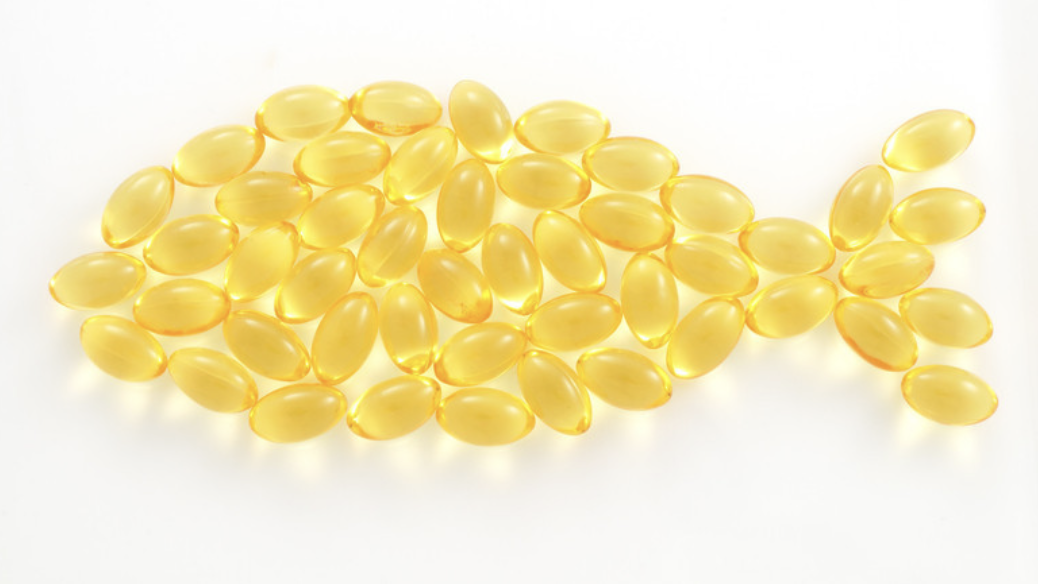
Fish oil is one of the most beneficial and well-studied supplements for recovery. Rich in omega-3 fatty acids, it is extracted from oily fish like salmon, mackerel, and herring. While it may sound unappealing at first, these fatty acids play a key role in modern athletic recovery.
What Are Omega-3s?
Omega-3s are essential fatty acids, meaning the body is unable to produce them on its own. They are split into three main types:
EPA (eicosapentaenoic acid) – found mainly in fish and algae; reduces inflammation and supports cardiovascular health
DHA (docosahexaenoic acid) – also found in fish; central to brain and nerve function
ALA (alpha-linolenic acid) – found primarily in plants; often converted by the body into small amounts of EPA and DHA
Benefits of Fish Oil
The omega-3s in fish oil provide a wide variety of benefits to our bodies, improving recovery, cognition, and even gut health.

Athletic Recovery
Omega-3s boast the ability to boost recovery post-workout without blocking the healing process. Recovery usually consists of repairing microscopic muscle tears, stress, and inflammation to make the body stronger. However, excessive inflammation may cause this process to slow and increase the risk of injury.
Research shows omega-3s may:
Calm inflammation and reduce post-training muscle soreness
Improve joint mobility and cartilage health
Strengthen cardiovascular efficiency and blood flow
Supporting more efficient muscle repair
Current research has shown that athletes experience less soreness and fatigue in between training sessions, allowing for higher performance and more efficiency.
Mental Performance
DHA, one of the primary omega-3 fatty acids, is a major structural component of brain tissue. Maintaining healthy levels has been shown to improve:
Reaction time
Long-term memory storage
Focus during stressful situations
Emotional regulation
Gut Health
Fish oils also improve nutrient absorption and immune function. The omega-3s reduce inflammation in the intestinal lining, improving nutrient absorption and supporting the immune system. A healthier gut and body improve training consistency and resilience to physical and mental stress. While these benefits may seem marginal at first, over the course of many months, the effects of consistency are far more noticeable.
How Much Omega-3 Should One Take?
The optimal intake of omega-3s varies based on individual circumstances, but research commonly supports:
1000 mg of fish oil per day for most adults (250-500 mg of EPA and DHA combined)
More than 1000-2000+ mg of fish oil daily for athletes undergoing intense training periods
Up to 3000 mg of fish oil daily is generally considered safe for adults
Omega-3s can be obtained naturally by eating fish like salmon, sardines, and mackerel. However, supplements are beneficial for filling any eventual gaps that may appear, ensuring a consistent intake of omega-3s over time.
Conclusion
Fish oil provides key benefits for not just athletic performance, but overall health, such as reduced inflammation, sharper mental clarity, healthier joints, and enhanced gut function. A consistent intake of omega-3s can boost performance over time, proving to be a worthwhile addition to any betterment routine.
Sources:
“Fish Oil Dosage: How Much Omega-3 Should You Take?” Healthline, https://www.healthline.com/nutrition/fish-oil-dosage#dosages
“Omega-3 Fatty Acids.” Cleveland Clinic, https://my.clevelandclinic.org/health/articles/17290-omega-3-fatty-acids
“Fish Oil: Uses, Effectiveness, and Side Effects.” Mayo Clinic, https://www.mayoclinic.org/drugs-supplements-fish-oil/art-20364810
Balk, Ethan M.; Lichtenstein, Alice H.; Chung, Ming-Hsi; Kupelnick, Barbara; Chew, Paul; Lau, Joseph. “Effects of Omega-3 Fatty Acids on Cardiovascular Disease: A Systematic Review.” PMC (PubMed Central), 2013, https://pmc.ncbi.nlm.nih.gov/articles/PMC3262608/
“What to Know About Omega-3s and Fish.” WebMD, https://www.webmd.com/diet/features/what-to-know-about-omega-3s-and-fish
:max_bytes(150000):strip_icc():format(webp)/bench-press-56a83ae23df78cf7729d2c33.jpg)
https://domf5oio6qrcr.cloudfront.net/medialibrary/10874/cd49fe56-aae8-4477-bda0-c46d49e9a36b.jpg
