
The Mental Game: Why Mental Health Is Just as Important as Physical Training

Athletes are in the gym or on the practice field for hours daily, whether it’s to weightlift, run through drills, or perfect their techniques. Mental health plays a pivotal role for any successful athlete, despite how little attention it receives. Athletes experience stress, anxiety, and burnout at all levels of competition, including high school sports programs and professional leagues (Rice, 2016). Just as an athlete needs to recover physically after competition and training, they need to take time to recover mentally to be able to compete at their highest potential.
Why This Matters for Athletes
Athletic performance is impacted by an athlete's mental state. Anxiety and stress can negatively affect an athlete’s ability to focus, be motivated, and make decisions on the field (Reardon, 2023). Athletes often have several sources of pressure placed upon them, which may include the following: coaches, teammates, schoolwork, and much more. All of this can create a continuous mental burden.
Athletes who choose to ignore the pressures they face may feel burned out, notice a decrease in performance, or suffer an injury (Glandorf, 2022). An athlete's mental fatigue will also affect their reaction time and coordination, two important parts of athletic performance (Reardon, 2023). Athletes who take care of their mental health will be able to stay focused, resilient, and confident during competition and training.
The Science Behind It
Mental health impacts how the body reacts to stress. The stress experienced by an athlete will cause the release of cortisol, which is directly related to the "fight or flight" response. Although small periods of stress may enhance alertness, elevated levels of cortisol over time may decrease athletic performance. This is due to the fact that cortisol decreases the body’s ability to recover from training or competition, leading to an overall poor quality of rest.
Studies have demonstrated that athletes who engage in mental wellness practices such as mindfulness, emotional regulation, and positive self-talk tend to be able to perform better due to having less anxiety (Vanderkruik, 2026). Engaging in these mental wellness practices can assist an athlete in regulating their nervous system and allow them to remain calm and composed when competing at high levels.
Common Mental Health Challenges for Athletes
Many athletes of all levels face mental health challenges they don't typically disclose (Rice, 2016).
One of the most common issues in athletes' lives is performance anxiety, where athletes feel intense pressure to succeed or prevent failure. This causes athletes to overthink their mistakes, taking away the joy of participating in their respective sport.
Another common issue athletes face is burnout. When athletes get “burnt out,” they become physically and emotionally exhausted. Their mental health and athletic performance deteriorate, and causes athletes to lose their love for their sport. Burnout typically comes from over-training without proper recovery or when they make their sport their whole identity (Glandorf, 2022).
Athletes may also suffer from identity loss after injuries or major setbacks, leading to isolation, frustration, and lack of confidence.
What Athletes Can Do
Good mental health can be achieved by making small changes to one’s daily routine. The way in which an athlete manages their mental health will have a major impact on their overall well-being and ability to perform (Vanderkruik, 2026).
Prioritize recovery: Mental recovery is just as important as physical recovery. Take a couple of days off from your sport, sleep adequately, and make sure you have outside hobbies.
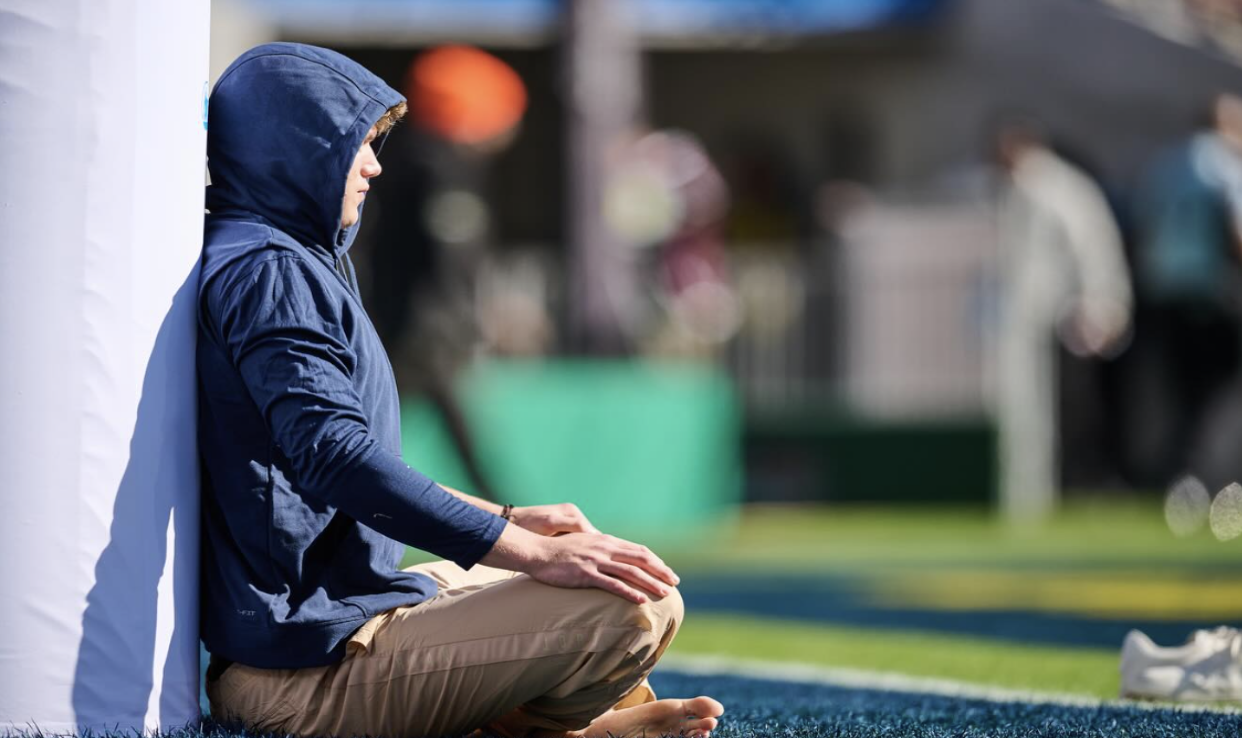
Practice breathing exercises: Taking time to meditate or practice deep breathing for a couple of minutes a day can help athletes stay calm during high-pressure moments.
Focus on what you can control: Stop worrying about outcomes. Athletes should focus on effort, preparation, and execution.
Talk openly: Having meaningful conversations with coaches, teammates, or counselors can help athletes process stress and strain, allowing them to gain a positive perspective.
Develop interest outside of sports: Maintaining friendships and cool, creative hobbies outside of sports allows athletes to have a healthier and happier balance.
Key Takeaways
Mental health is crucial to athletic performance
Long-term stress or anxiety negatively affects recovery, focus, and confidence
Practices like meditation, open communication, and a balanced lifestyle help athletes create mental resilience
Closing
The best athletes in the world possess both the physical ability to perform at a high level and the mental fortitude to cope with pressure and adversity. When athletes recognize that mental wellness is just as important as physical fitness, they create an environment that supports long-term success in sports and in life. By balancing both the mental and physical aspects of training, athletes can unlock their full potential while continuing to grow not only as competitors but as people.
References
Glandorf, H. L. (2022, December 11). Mental and physical health outcomes of burnout in athletes: a systematic review and meta-analysis. Taylor & Francis. Retrieved March 9, 2026, from https://www.tandfonline.com/doi/full/10.1080/1750984X.2023.2225187
Reardon, C. L. (2023, November 16). The Mental Health Crisis in Sports: The Perfect Storm of Contemporary Factors. National Library of Medicine. Retrieved March 9, 2026, from https://pmc.ncbi.nlm.nih.gov/articles/PMC11215734/
Rice, S. M., Purcell, R., Silva, S. D., & Mawren, D. (2016, February 20). The Mental Health of Elite Athletes: A Narrative Systematic Review. National Library of Medicines. Retrieved March 9, 2026, from https://pmc.ncbi.nlm.nih.gov/articles/PMC4996886/
Vanderkruik, R. (2026, February 18). The Importance of Mental Health in Athletes. Mass General Brigham. Retrieved March 9, 2026, from https://www.massgeneralbrigham.org/en/about/newsroom/articles/the-importance-of-mental-health-in-sports