Psychology Behind Returning from Injury
Introduction:
Athlete injuries are usually measured by their physical consequences. Physicians and athletic trainers assess the athlete’s condition based on how well they respond physically, which is vital for their ability to function mechanically and compete. However, both physical and mental readiness are required to return to competition.
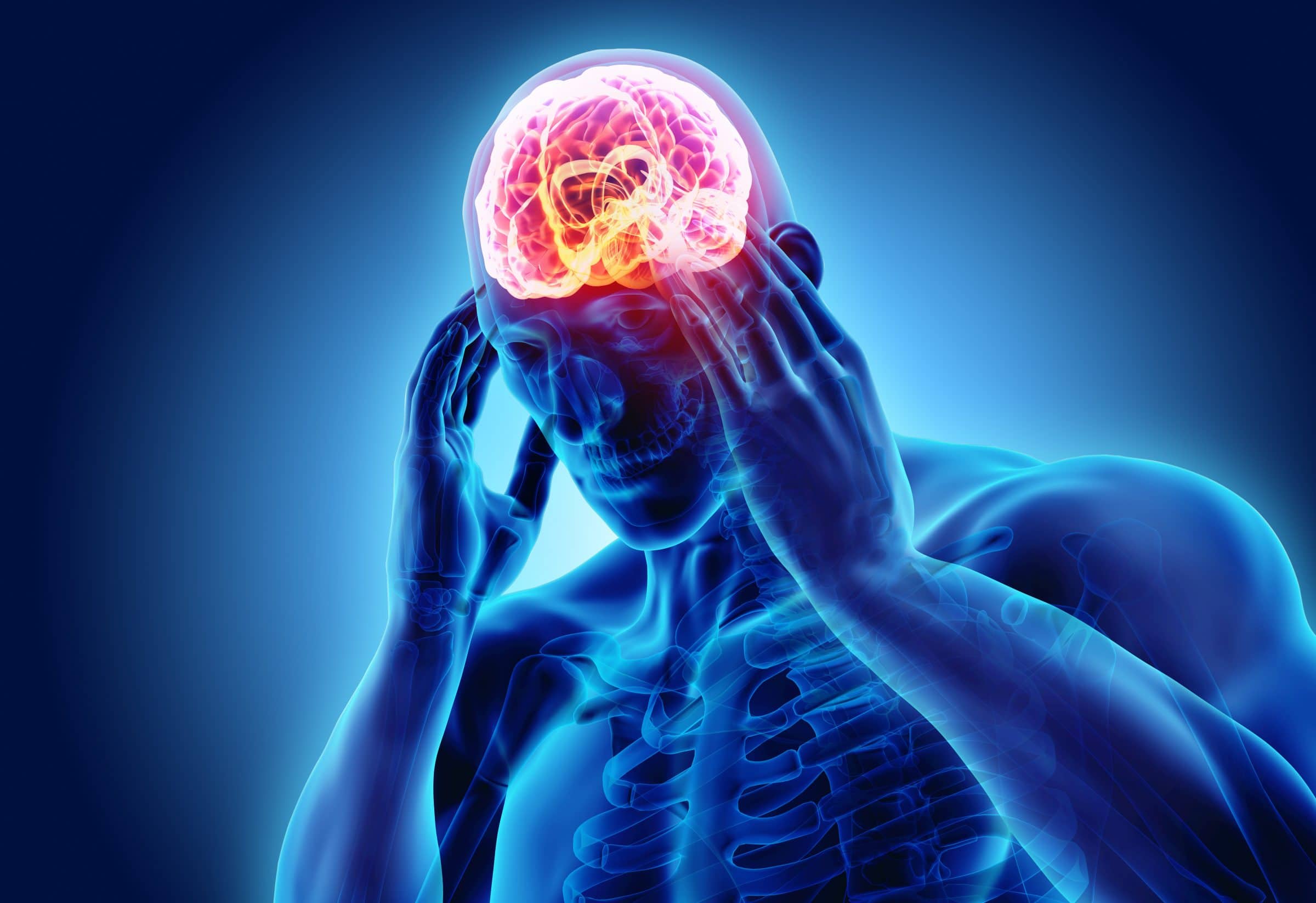
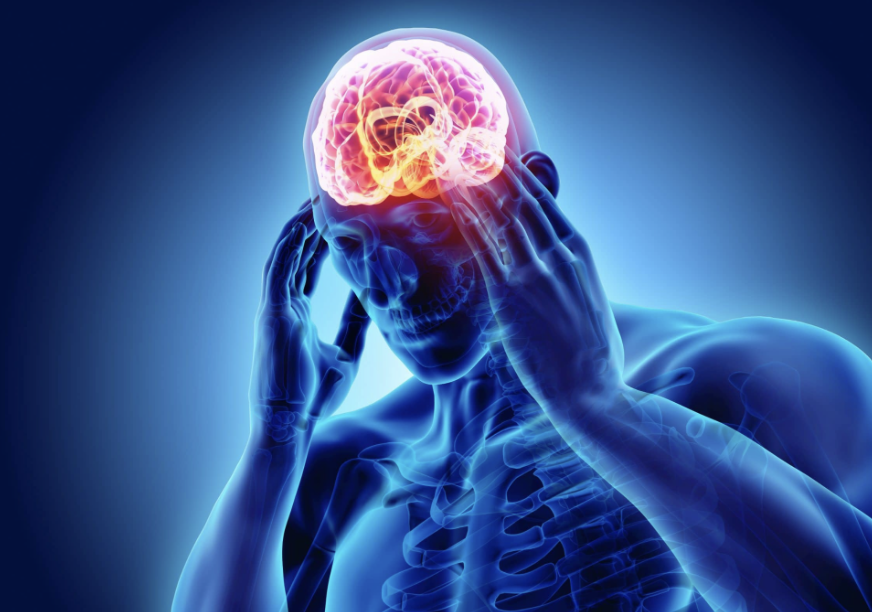
For many athletes, the recovery from a serious injury is just as much a mental battle as it is a physical one. While physical injuries can heal after a couple weeks or months, the psychological effects can persist beyond that. In order to fully return to play, athletes must overcome the fear of injuring themselves again and regain their confidence.
Fear of Reinjury:
One of the most significant psychological barriers to returning is the fear of reinjury. This prevents athletes from giving their full performance as they may become cautious when utilizing their injured area, even after recovery. For instance, a football player recovering from a torn ACL injury may hesitate when making sharp turns or stopping abruptly. Even though they are recovered physically, their brain may still associate those movements with pain and injury.
The fear of movement due to risk of reinjury or pain is called kinesiophobia. This fear is repeatedly identified as a barrier preventing athletes from returning to the same level of performance they once held prior. Athletes who underwent rehabilitation after an ACL injury reported fear of sustaining another injury and not trusting their knee as reasons preventing them from returning to play.
The Brain Remembers the Injury:
Returning to full performance after an injury is difficult as the brain now associates certain movements with danger. When the body experiences significant pain, the nervous system learns that the cause of that pain might be associated with harm. Therefore, when an athlete experiences an injury, the brain associates those specific movements with the risk of danger. Although the injured tissue may heal, the brain’s association with harm may not disappear immediately. This causes athletes to experience hesitation when attempting similar movements to the one that caused their injury.
Rehabilitation requires athletes to gradually train their brain to learn that the movement is safe again. Rather than just rebuilding their muscle’s strength again, athletes also have to rebuild their confidence in performing mechanics normally.
Athlete Identity:
Additionally, injuries can affect athletes psychologically by harming their mental health. For many athletes, their sport comprises a significant portion of their identity.
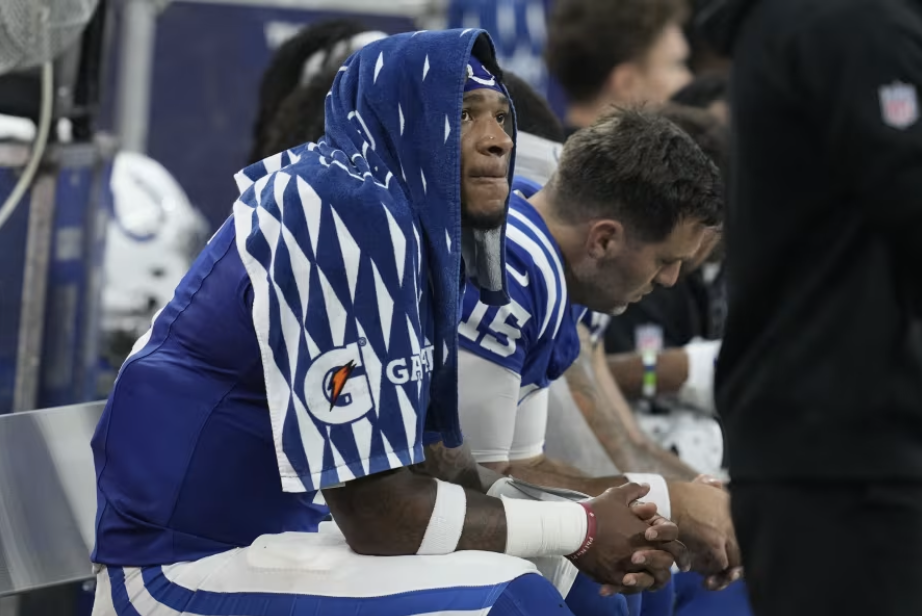
Many of an athlete’s daily activities revolve around their sport. This includes training, competing, and communicating with teammates and coaches. However, suffering a severe injury can remove these things from their life. This may foster a sense of isolation and loss of identity, fundamentally rewriting the athlete’s daily life: they go from practicing every day to spending hours in rehabilitation. Watching their teammates play from the sidelines can especially produce frustration and anxiety. As athletes go through rehabilitation, they may question whether they are falling behind others or if they are still capable of performing at their previous level.
Returning to Sport:
Psychological recovery should be a part of the rehabilitation process, not something separate from physical recovery. Some strategies athletes can utilize during the psychological rehabilitation process include goal setting, imagery, and mindfulness. Additionally, gradually reintroducing certain movements to athletes can help them slowly rebuild their confidence, rather than jumping in all at once.
An athlete can ultimately recover their strength and physical ability, but still struggle with uncertainty in their physical body. In order to successfully return to play, athletes require physical and psychological support and preparation. By gradually improving these throughout rehabilitation, athletes can rebuild both their body and confidence.
Sources:
Tranaeus, Ulrika, et al. “50 Years of Research on the Psychology of Sport Injury: A Consensus Statement.” Sports Medicine, 2024. Sports Medicine
Xiao, Michelle, et al. “Patients Who Return to Sport After Primary Anterior Cruciate Ligament Reconstruction Have Significantly Higher Psychological Readiness: A Systematic Review and Meta-analysis of 3744 Patients.” The American Journal of Sports Medicine, 2023. PubMed
“Impact of Psychological Factors on Rehabilitation After Anterior Cruciate Ligament Reconstruction: A Systematic Review.” The American Journal of Sports Medicine, 2024. PubMed
“The Utility of Psychological Readiness Scales in Predicting Return to Sport: A Systematic Review.” BMC Psychology, 2025. PMC