
Athlete Mental Health Overview
Editor: Bradley Sukwanto
Athlete Mental Health
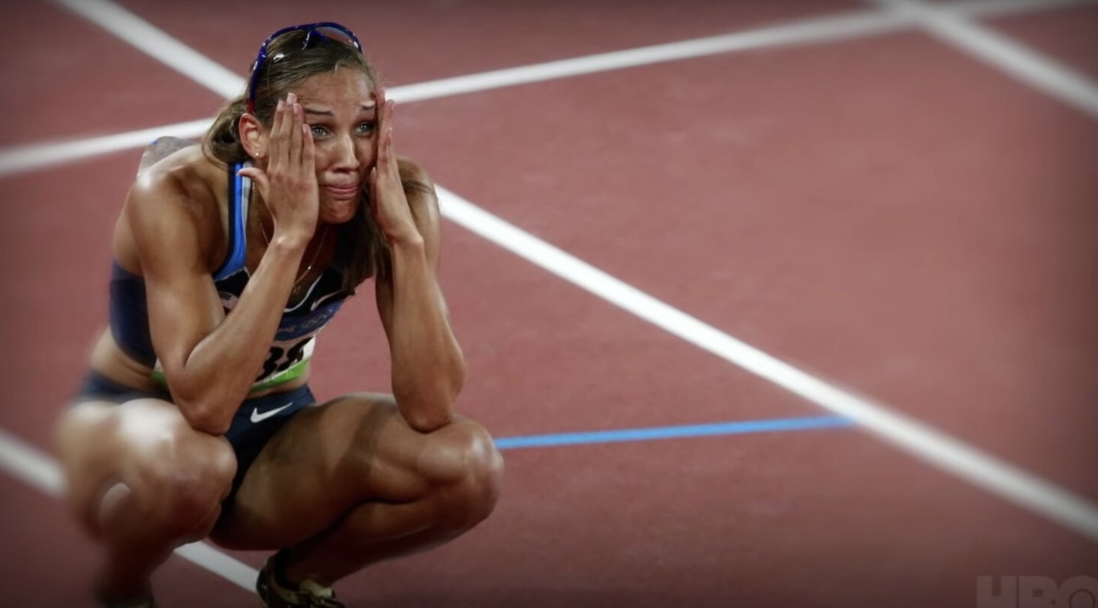
Athletes are constantly pushing through pain and are just instructed to keep going and stay tough. Oftentimes, when athletes struggle, they stay quiet. This leads to stress, anxiety, and depression. Over 30% of student athletes report mental health concerns, and only 10% get help (NCAA Sport Science Institute, 2023). Without addressing such stress, it can often lead to greater consequences.
Pressure in Sports
Athletes train early and practice late, constantly competing for time on the field. They fight for scholarships while balancing schoolwork and relationships. Coaches, teammates, and fans are constantly judging. This pressure on athletes builds up daily(APA Public Interest, 2023).
Such pressure usually leads people to stop liking their sport. They make their whole identity about how they perform on the field.
Common Mental Health Symptoms
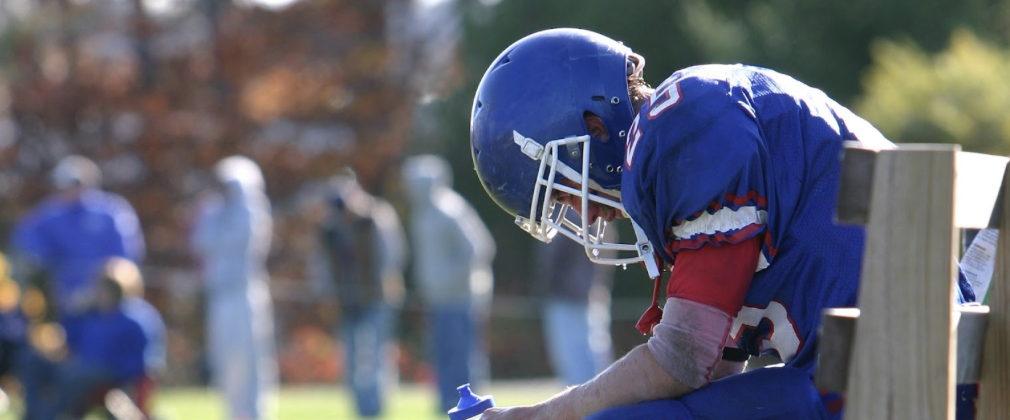
Trouble falling asleep or staying asleep
Panic during practices or games
Loss of interest in training
Irritability
Loss of appetite
Overeating
Isolation
Lack of motivation
Negative thoughts
Problems can increase when you ignore these signs. They also lead to decreased performance (ADAA Editorial Staff, 2023).
When athletes get injured, they are completely removed from their routine that they rely on. They lose the physical outlet that keeps them grounded. This leads them to constantly think about what they are missing (Journal of Athletic Training, 2023). During injury recovery, athletes need mental and physical support.
Public Examples
Simone Biles protected her mental health at the Tokyo Olympics (Olympics.com, 2024).
Kevin Love spoke openly about panic attacks in the NBA (NAMI Advocacy Team, 2023).
Michael Phelps talked about depression after major competitions (APA Public Interest, 2023).
These examples show how mental health challenges even affect top athletes. Speaking up increases awareness and helps others feel welcome to do the same.
How You Support Your Mental Health
Tell a counselor or an adult when symptoms start
Take a day off from training
Write down how you feel each day
Practice simple breathing exercises
Stay connected with teammates and family
Ask for help in school
Reduce time on social media
Celebrate your progress
Your environment is crucial. Teams perform better when every athlete feels supported. Coaches and trainers should help you find the right resources (NCAA Sport Science Institute, 2023).
Why Action Matters
Your mind will affect your performance, future, and happiness. Mental health struggles lower focus, increase injury risk, and damage relationships. Stress support early on protects your long-term health. Every athlete deserves to feel confident, valued, and supported in every aspect of their life.
References
APA Public Interest. (2023). Mental Health in Elite Athletes. American Psychological Association. Retrieved November 30, 2025, from https://www.apaf.org/our-programs/play/
Baez, S., & Jochimsen, K. (2023). Psychological Responses After Sports Injury. Journal of Athletic Training. Retrieved November 30, 2025, from https://nata.kglmeridian.com/view/journals/attr/58/9/attr.58.issue-9.xml?
Greene, M., & Kupprion, M. (2025, June 17). Performance Anxiety in Sports. Anxiety and Depression Association of America. Retrieved November 30, 2025, from https://adaa.org/webinar/consumer/whistle-after-game-talking-your-anxious-athlete
Nami Advocacy Team. (2014, March 9). Stigma of Mental Health in Sports Remains an Opponent. National Alliance on Mental Illness. Retrieved November 30, 2025, from https://www.nami.org/nami-news/stigma-of-mental-health-in-sports-remains-an-opponent/
NCAA Sports Science Institute. (2023). Mental Health Support for Student Athletes. NCAA. Retrieved November 30, 2025, from https://www.ncaa.org/sports/2014/3/25/2012-13-ncaa-national-study-of-substance-use-habits-of-college-student-athletes.aspx