
The Importance of Sodium Balance
Editor: Everrett Chi
Introduction:
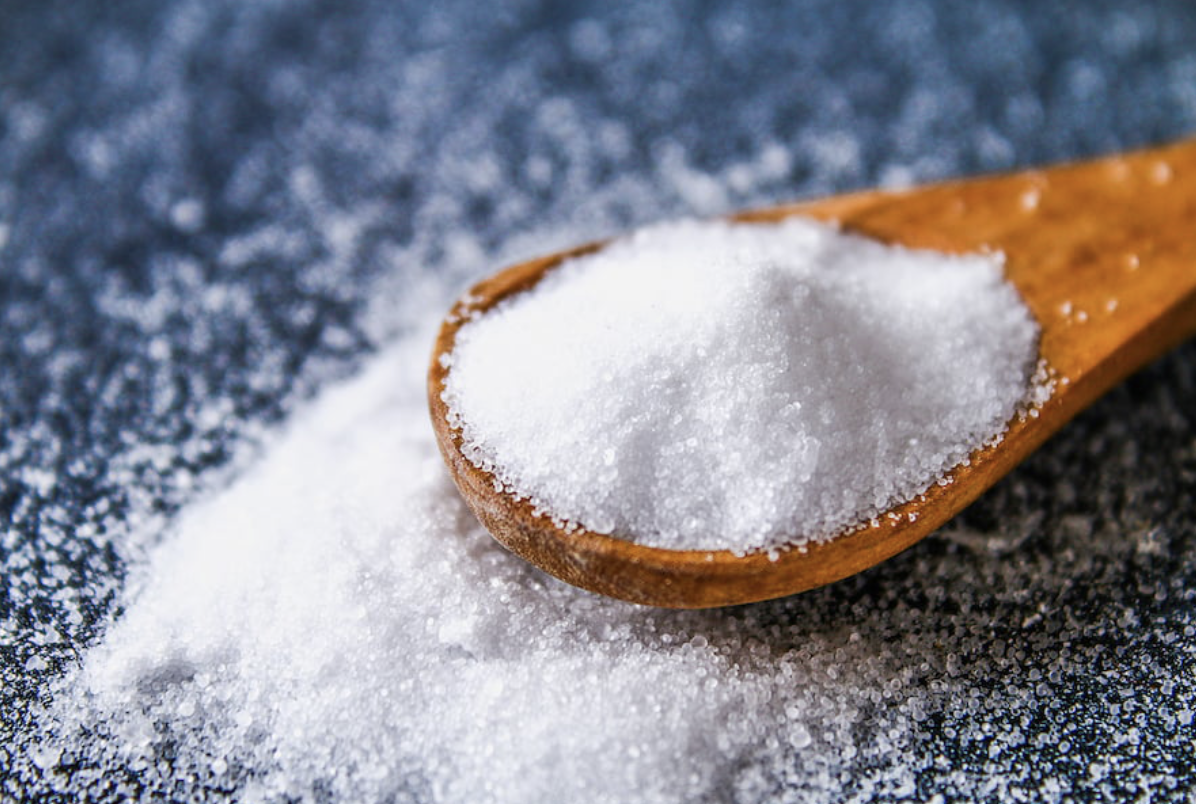
Sodium is often associated with bloating, high blood pressure, and other health concerns. While excessive sodium intake can be harmful to the body, too little can also be dangerous. Sodium levels must be balanced so the body can perform essential functions such as regulating fluid, supporting nerve signaling, contracting muscles, and maintaining blood pressure. A disruption in sodium balance results in consequences that can affect nearly every system in the body.
Role of Sodium in the Body:
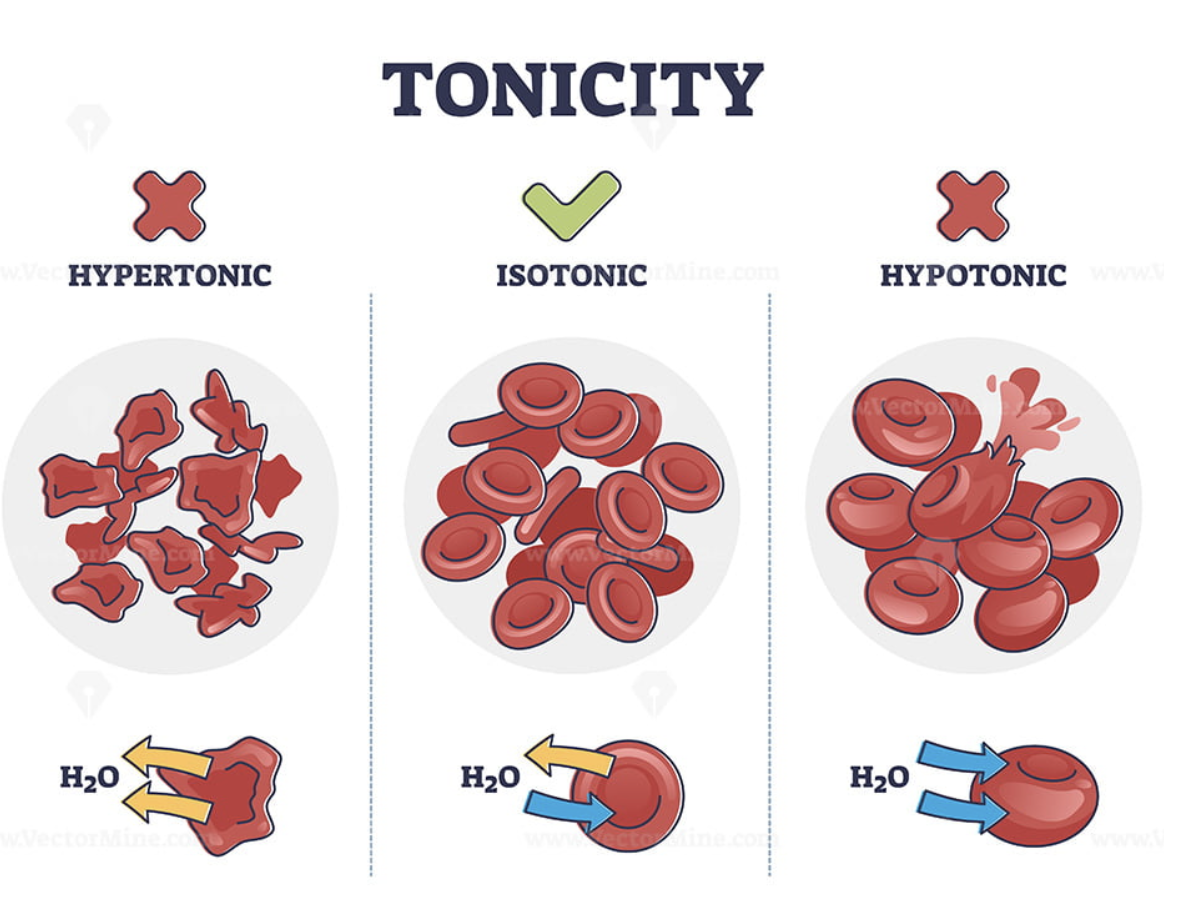
Sodium serves as one of the body’s main electrolytes, which means it carries an electric charge necessary for cell function. One of its main roles is controlling the amount of water in the bloodstream and tissues. Water tends to diffuse across cell membranes through osmosis, travelling to regions of higher solute concentration. In other words, areas of the body with high sodium concentration pull water in to control hydration, swelling, and blood pressure.
Sodium is also important for nerve and muscle function. Neurons need sodium to diffuse across its membrane to produce action potentials, allowing them to transmit signals throughout the body. Without these signals, muscles will not be able to contract properly.
Sodium Regulation in the Body:
The body regulates sodium levels mainly through the kidneys. The kidneys constantly filter the blood, adjusting how much sodium and water are excreted in urine. The kidneys receive hormonal signals from a variety of sources including the adrenal glands, hypothalamus, and itself that help regulate this process.
If someone has too much water in their body without enough electrolytes, sodium in the blood becomes diluted. This causes water to diffuse into the cells, causing them to swell. Low blood sodium (hyponatremia) can result in symptoms such as headache, nausea, vomiting, muscle cramps, confusion, and fatigue. Hyponatremia often occurs due to excessive water intake, certain medications, insufficient electrolyte intake, kidney problems, hormone disorders, or other illnesses. These issues are serious as the brain is extremely sensitive to shifts in fluid balance.
On the other hand, high sodium in the blood (hypernatremia) is usually the result of not drinking enough water or eating salty foods once or twice. While it is more common, hypernatremia is still a health concern as excess sodium in the bloodstream pulls water out of the cells, increasing blood volume and ultimately raising blood pressure (hypertension). Over time, this can damage the heart, blood vessels, and kidneys.
Maintaining the Proper Sodium Diet:
Sodium balance is extremely important for health, especially in athletes and active people. When people sweat, they lose both water and electrolytes. It is important to replenish both of these to maintain a healthy body and prevent electrolyte imbalance.
The American Heart Association recommends that the average adult should not intake more than 2,300 mg of sodium per day, with the ideal limit being around 1,500 mg per day. However, these measurements depend on a variety of factors such as body weight, medical conditions, age, and average physical activity.
A balanced approach to maintaining an ideal sodium intake includes reducing consumption of processed foods, reading nutrition labels before eating, staying appropriately hydrated, and replenishing the body with water and electrolytes after exercise. People with medical concerns such as kidney disease, heart failure, hormone disorder, or other issues affecting electrolytes imbalance should be especially careful when regulating their sodium intake.
Conclusion:Health is maintained by balancing numerous systems, with sodium being one of the most important factors. Sodium is necessary to regulate fluid levels, transmit nerve signals, and support muscle contractions. The body suffers when the balance of sodium tips too far on both ends of the spectrum, making the balance of sodium intake so important.\
Sources:
American Heart Association. “Get the Scoop on Sodium and Salt.” American Heart Association, 11 Sep. 2025.
American Heart Association. “How Much Sodium Should I Eat Per Day?” American Heart Association, 15 Jul. 2025.
Cleveland Clinic. “Hyponatremia: Causes, Symptoms, Diagnosis & Treatment.” Cleveland Clinic, 27 Nov. 2024
Cleveland Clinic. “Electrolytes: Types, Purpose & Normal Levels.” Cleveland Clinic, 24 Sep. 2021.
National Institute of Diabetes and Digestive and Kidney Diseases. “Your Kidneys & How They Work.” NIDDK.
Bernal, A., et al. “Sodium Homeostasis, a Balance Necessary for Life.” Frontiers in Physiology, 2023. PubMed Central.
https://bunny-wp-pullzone-lcnorhfy96.b-cdn.net/wp-content/uploads/Tonicity_outline_diagram.jpg
