
Guide to Athletic Supplements
Editor: Everrett Chi
Guide to Athletic Supplements: Protein Powder, Creatine, Electrolytes
Chances are, if you’ve ever been to a gym or scrolled through fitness content on social media, you’ve likely seen something related to athletic and nutritional supplements. With such a variety of options available—such as protein powder, creatine, or electrolyte- it may be very overwhelming to know where to start, what to use, and how to use it properly. Whether you’re an athlete, gym-goer, or just beginning your athletic and fitness journey, it’s very important to be adequately informed of the substances you take, for both safety and effectiveness. This guide shall provide a very useful starting point.
Protein Powder
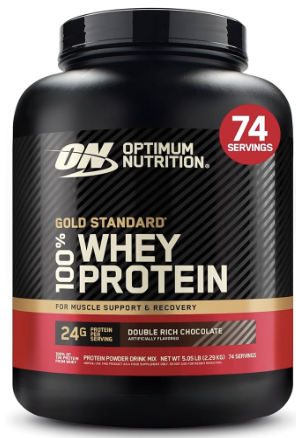
Protein powder is likely the most widely used athletic supplement, primarily consumed in the form of protein shakes. Protein powder provides numerous benefits, including recovery after exercise, increased muscle growth, and weight loss benefits. However, factors such as the timing and type of protein powder can influence its effectiveness.
Protein Shakes are often recommended post-workout to increase muscle growth and support recovery. The way that protein powder functions is by supplying concentrated amino acids, which are the building blocks of your muscles. During exercise, your muscles sustain small tears due to the stress and trauma they go through during your workout. However, these tears are nothing to worry about and are a part of the muscle-building process. Amino acids from these proteins help repair these damaged fibers, allowing them to grow stronger over time. Quickly digested options such as whey protein absorb quickly, stimulating muscle protein synthesis and helping recovery, strength gains, and overall muscle maintenance when combined with training.
While whey is probably the most common form of protein powder, other options, such as casein, soy, and rice protein, provide similar benefits. Although it's recommended to have protein powder after working out, taking it anytime will still provide multiple benefits to your health.
Creatine
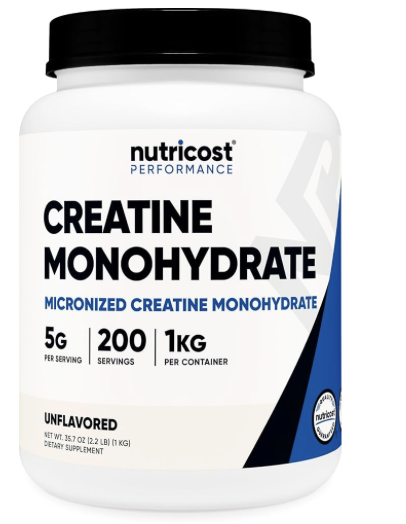
One of the most studied and commonly used athletic supplements is creatine, sold as a tasteless powder that is dissolved in water or a sports beverage. The advantages of creatine are enhanced strength, maximal power production, and increased performance in short, sharp exercises. Nevertheless, there are specific moments when creatine is most effective to be used.
Creatine is suggested to be taken daily to maintain a consistent level in the muscles. The purpose of creatine is to supplement the amount of phosphocreatine that your body stores, which is used to replenish your body's ATP, the primary source of energy that your muscles consume during sudden exertions such as sprinting or weight lifting. When you are working strenuously, your muscles burn out rapidly, and you become increasingly fatigued. Creatine helps restore ATP more efficiently, allowing you to lift heavier, perform more repetitions, and recover more quickly between sets. It also helps support anaerobic metabolism and may increase glycogen storage within the muscles.
Although creatine monohydrate is the most popular and well-researched one, other forms like creatine hydrochloride and buffered creatine are designed to enhance mixing or digestion. Regardless of the type, creatine should be taken daily, as this will help maintain muscle stores and maximize performance benefits.
Electrolytes
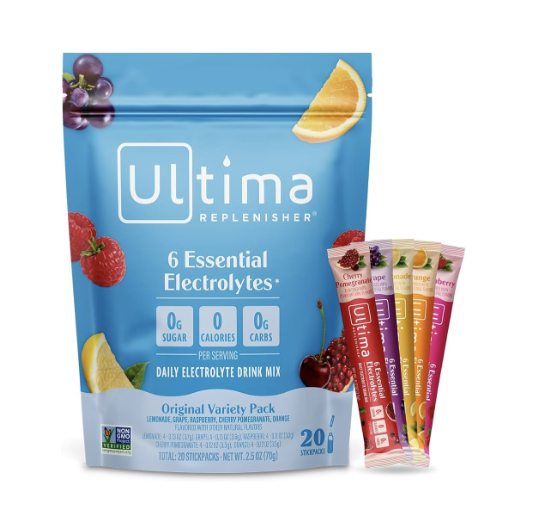
Electrolytes are another commonly used supplement, often consumed in the form of sports drinks, powders, or pills combined with water. Key benefits include maintaining homeostasis during exercise, muscle contractions, and the avoidance of cramps. While electrolytes are healthy anytime, they are most noticeable during long, intense, sweat-inducing workouts.
It’s usually advised to have electrolytes several times leading up to, during, and after your workout. Sodium, potassium, magnesium, and chloride are examples of electrolytes that aid in maintaining fluid balance and support nerve impulses in the body. When sweating, you lose both water and these essential minerals, which can lead to fatigue, dizziness, and reduced performance. Replacing lost electrolytes helps maintain hydration, allowing the muscles to function properly.
Although the most frequent form of electrolytes comes from sports drinks, they also come in powders, tablets, and even fruit. Consuming these at appropriate times can go a long way in supporting endurance, hydration, and recovery during your workout.
Conclusion
While there are several other athletic supplements to use, protein powder, creatine, and electrolytes are three of the most widely used and effective options available. Although this article gives an overview of some of the key benefits and usages, further research is always recommended to best determine which supplements best fit your individual needs. With adequate information, supplements can prove to be a very useful tool within your fitness journey.
Works Cited
“Creatine: What It Does, Benefits, Supplements & Safety.” Cleveland Clinic, 26 April 2023, https://my.clevelandclinic.org/health/treatments/17674-creatine.
“Creatine: When and How Much to Take - PHD Supplements.” PhD Nutrition, https://www.phd.com/perform-smart/creatine-when-and-how-much-to-take/.
“Fluid and Electrolyte Balance.” MedlinePlus, 16 May 2024, https://medlineplus.gov/fluidandelectrolytebalance.html.
Manning, Joy. “6 Best Ways to Take Your Protein Powder, According to Experts.” EatingWell, 22 June 2025, https://www.eatingwell.com/best-ways-to-take-protein-powder-11756705.
Meacham, Jared. “Health benefits of protein powder.” MedicalNewsToday, https://www.medicalnewstoday.com/articles/323093#health-benefits.
“Understanding Electrolytes: Why They Matter for Everyday Health.” Memorial Hermann, https://memorialhermann.org/health-wellness/nutrition/understanding-electrolytes.